
My academic journey
I am originally from Slovakia, where I studied Forestry at the Technical University in Zvolen. My interest in forests began early. As a teenager, I worked in local hometown forests, assisting with restoration, maintenance of forest infrastructure, and silvicultural operations. At the same time, I was strongly drawn to mathematics and biology, which naturally led me towards a career in forest ecology and ecophysiology.
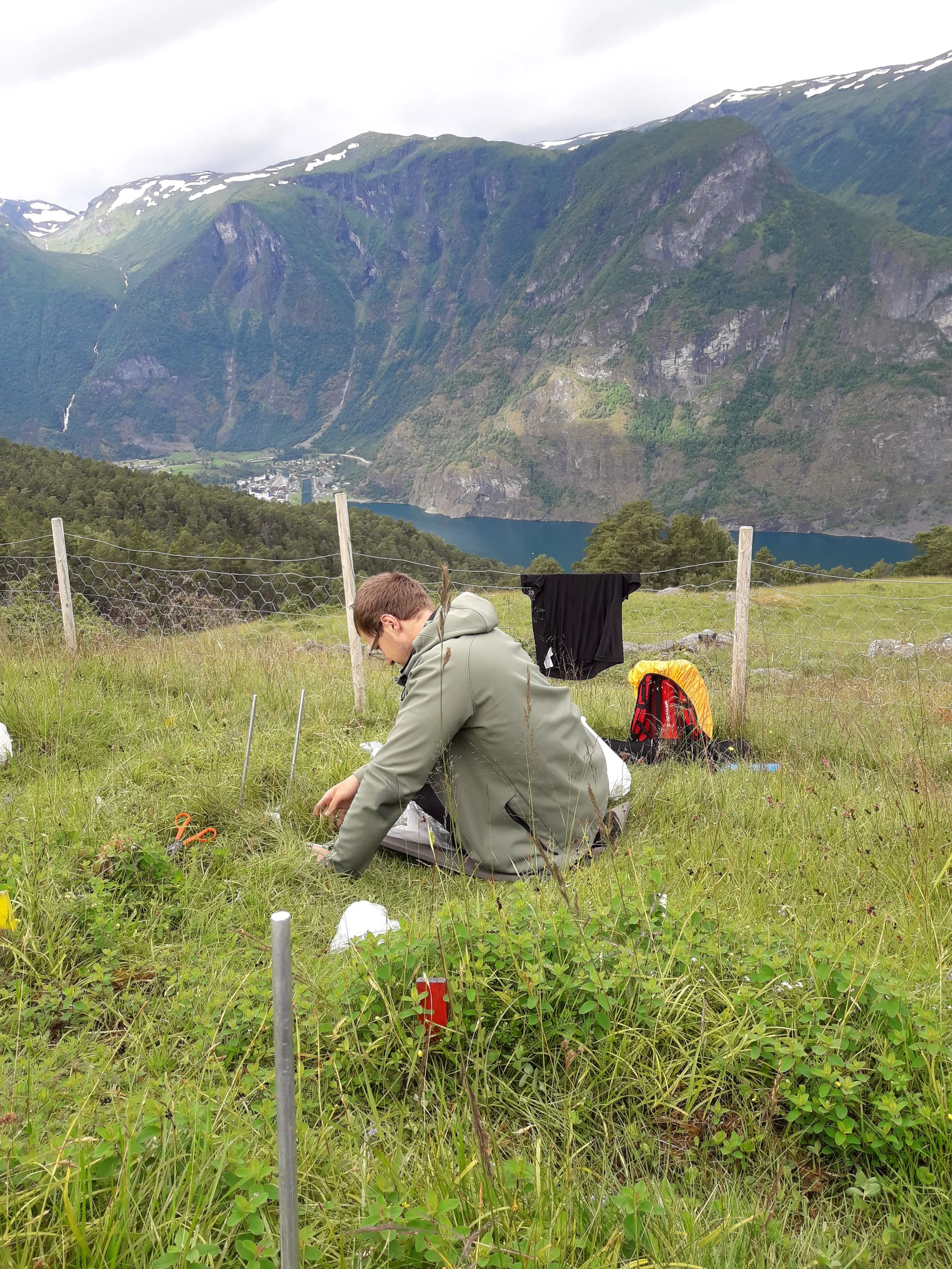
During my master’s studies, I undertook a research internship at the University of Bergen in Norway, where I joined the large-scale FunCaB project led by Prof. Vigdis Vandvik. The project encompassed twelve experimental sites across Norway, and much of the field season was spent travelling between sites, maintaining experiments, and measuring soil respiration. This experience marked the beginning of my long-term commitment to research.
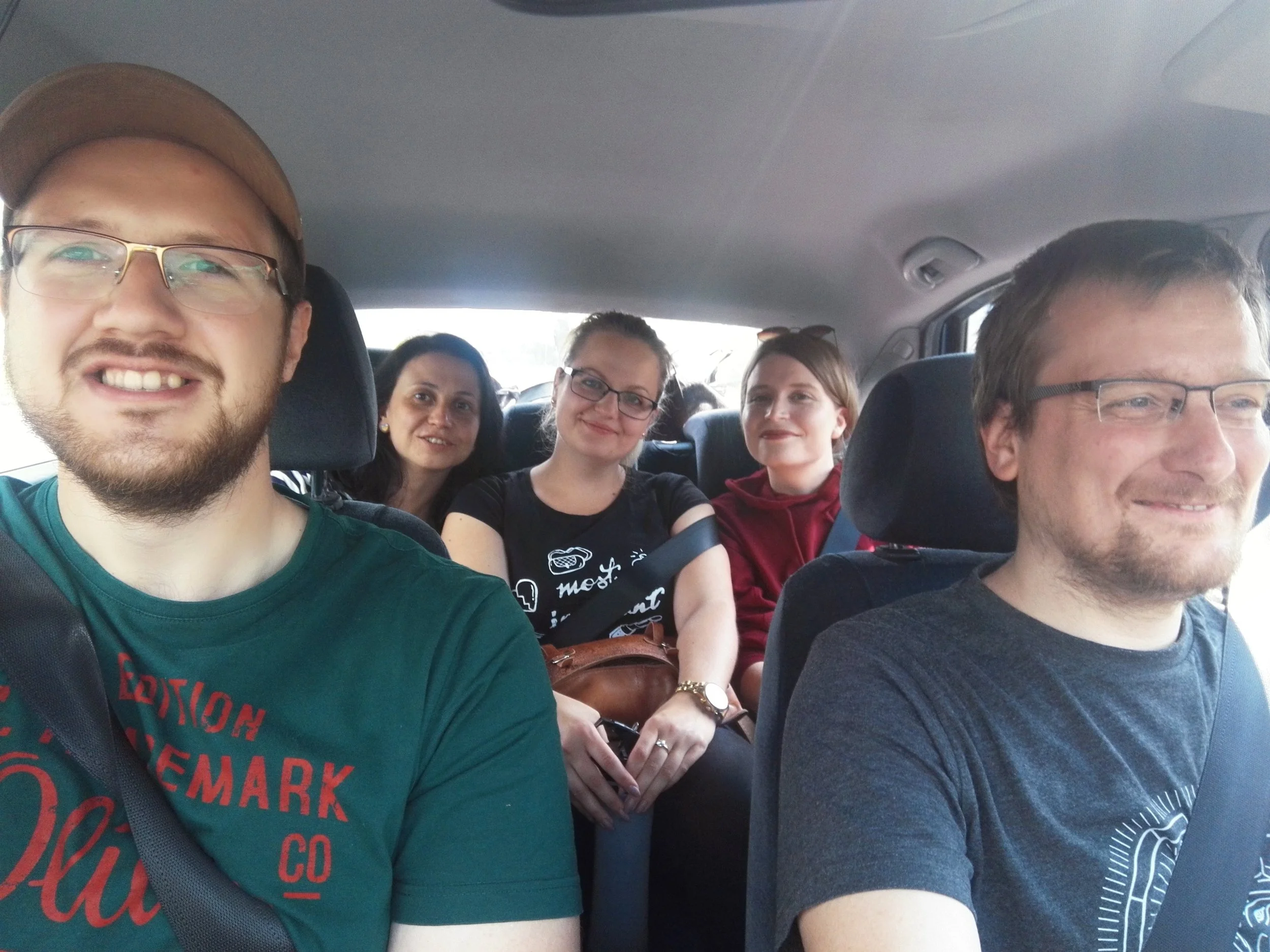
Immediately after completing my PhD, I joined the Global Change Research Institute of the Czech Academy of Sciences in Brno as a postdoctoral researcher in the laboratory of Marian Pavelka. The department specialised in forest micrometeorology and ecosystem flux measurements. I was responsible for operating sap-flow and dendrometer systems across five forest sites in southern Czechia, strengthening my expertise in tree water relations and carbon–water interactions at ecosystem scale. I also utilised mobility funding to carry out measurement campaigns in Würzburg, Germany and Trois-Riviers, Canada.
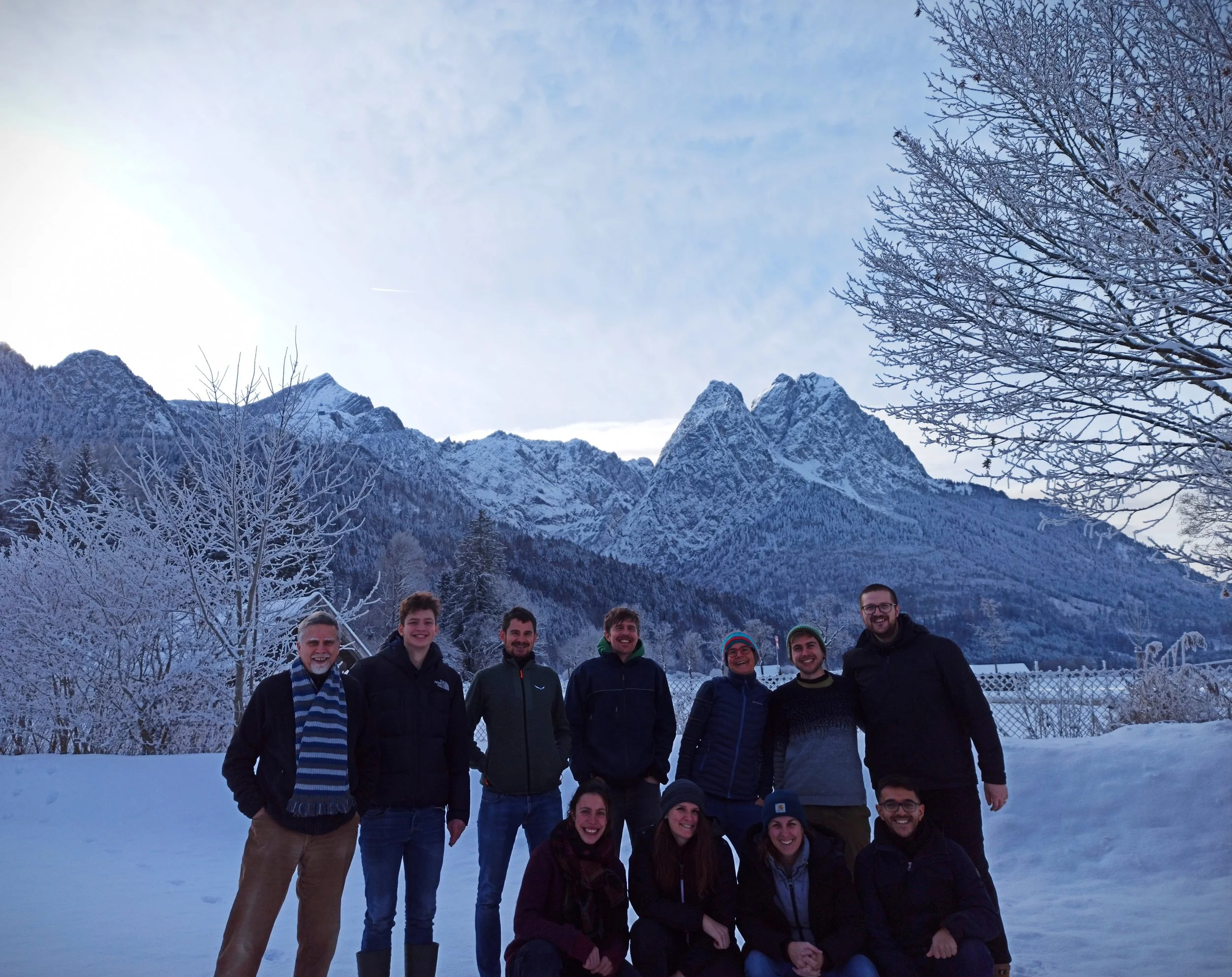
Since 2024, I have been based at the Chair of Forest Botany at the Technical University of Dresden, led by Bernhard Schuldt. My current research focuses on drought and heat stress adaptation of trees, combining controlled greenhouse experiments, phytotron studies, and field campaigns in arboreta, managed forests, and natural stands. We apply state-of-the-art plant hydraulic and ecophysiological methods supported by advanced statistical analyses.
My long-term research vision is to advance a mechanistic understanding of forest resilience under climate change by integrating tree-level physiological processes with ecosystem-scale dynamics. I welcome collaborations in plant ecophysiology, forestry, and forest ecology. Further details on my academic background and publications are available in the PDF version of my CV >>>
Following my return to Slovakia, I began a PhD under the supervision of Daniel Kurjak, focusing on tree ecophysiology, particularly drought and temperature responses of European tree species. In addition to field campaigns in Slovakia, I completed two international research stays. At the University of Bordeaux, in the laboratory of Sylvain Delzon, we conducted controlled dry-down experiments on conifer species to investigate the drivers of drought-induced mortality. Later, at the University of Copenhagen, working with Anders Ræbild’s ecophysiology team, we carried out winter warming experiments linking increased respiratory carbon losses to reduced growth in the subsequent vegetation season. I defended my doctoral thesis in 2021.
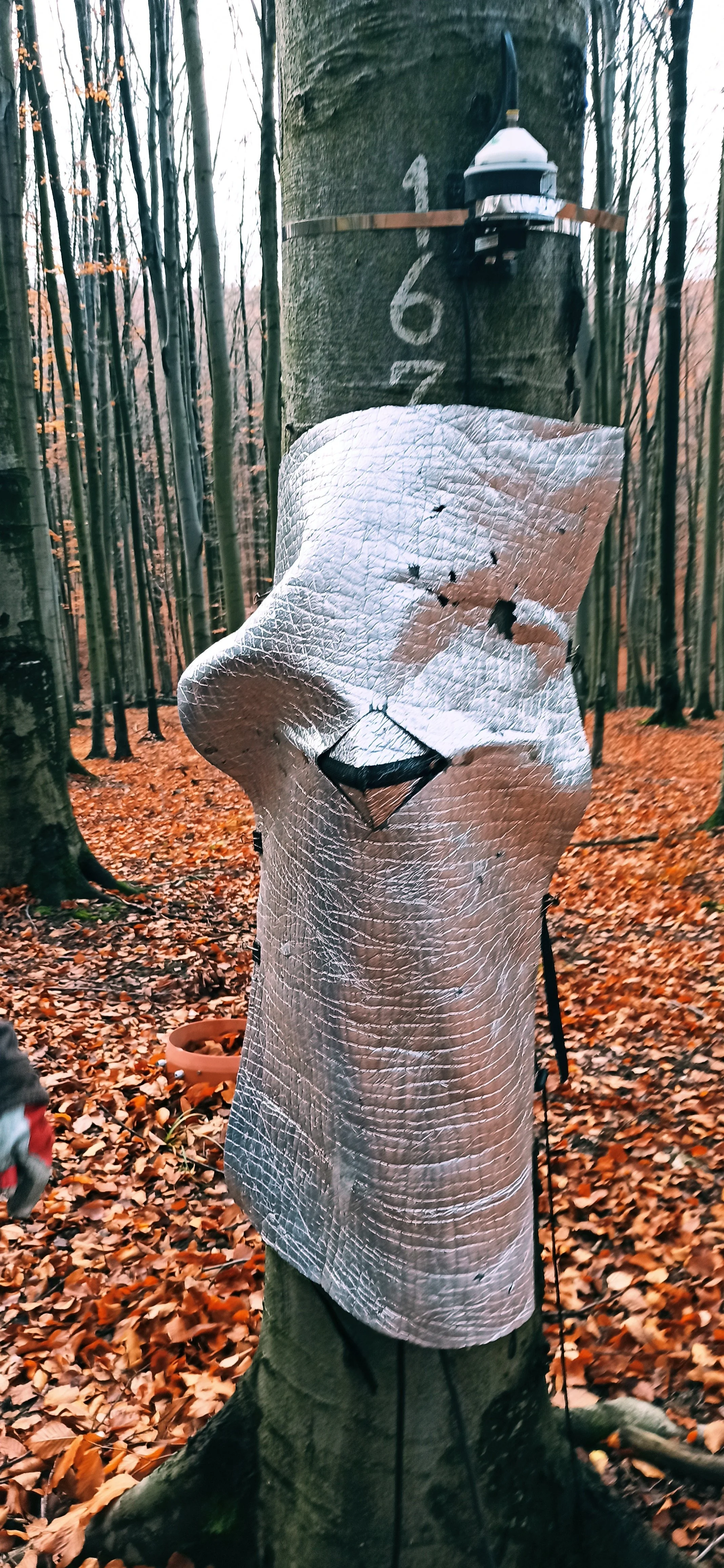
In 2022, I moved to the Karlsruhe Institute of Technology (KIT), joining the plant ecophysiology group at Campus Alpin in Garmisch-Partenkirchen, under the supervision of Nadine Ruehr and Rüdiger Grote. Here I expanded my research towards ecosystem-scale processes and gained experience in spatial data integration and landscape-level modelling approaches.
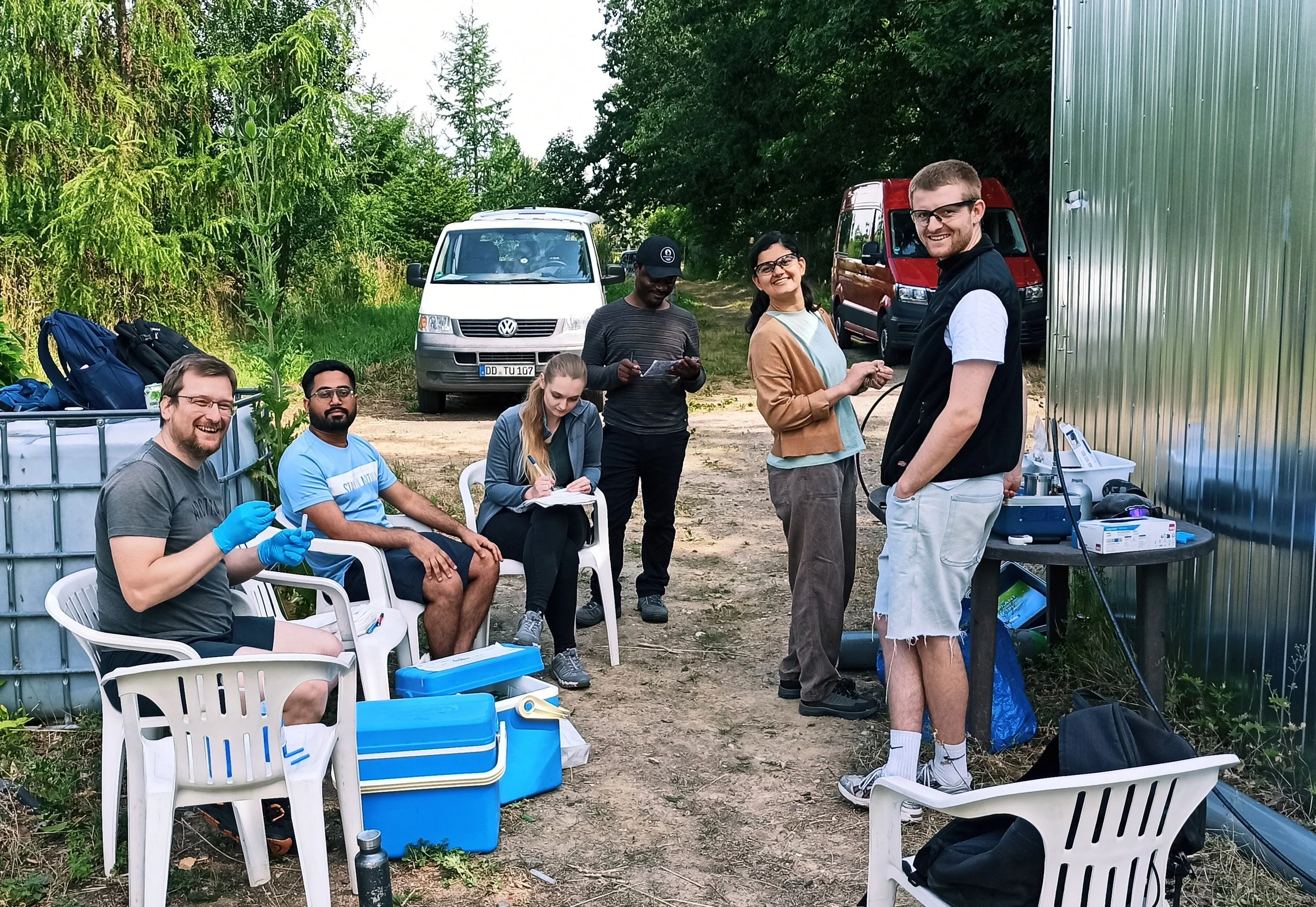
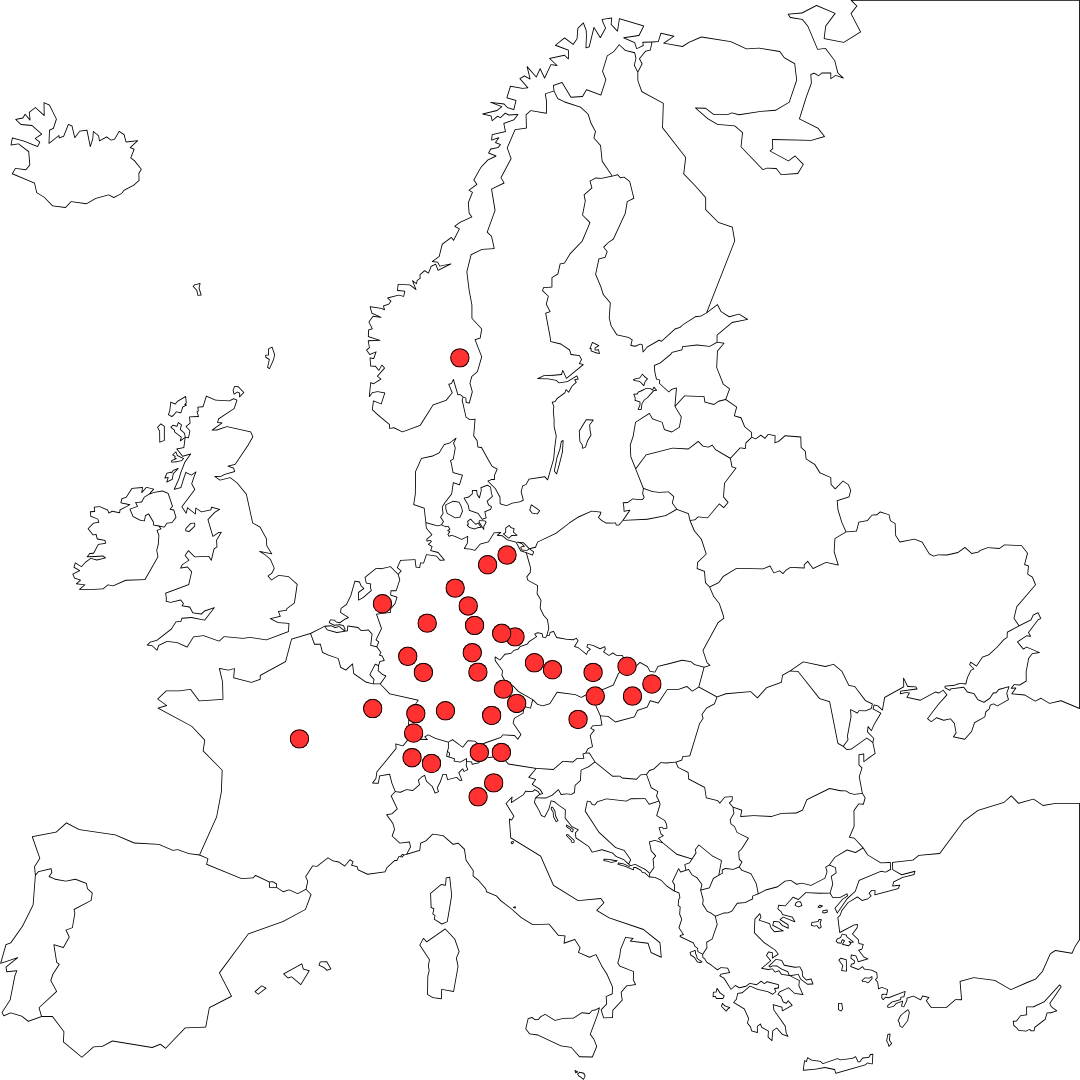
In parallel, I co-initiated a pan-European water status monitoring network of dominant European tree species, currently encompassing 87 sites from Italy to Norway and from France to Slovakia. This initiative aims to advance mechanistic understanding of forest drought stress across climatic gradients.